
Hamburg 3-day fine art architecture workshop report
When: August 15-17, 2025
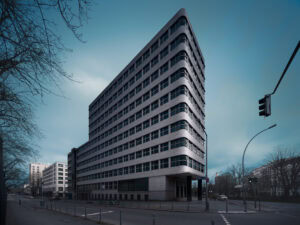
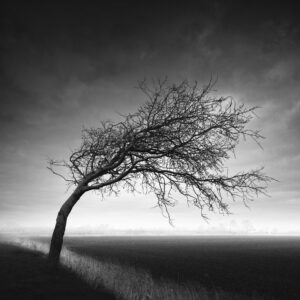
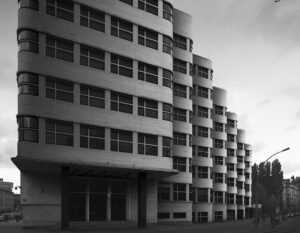
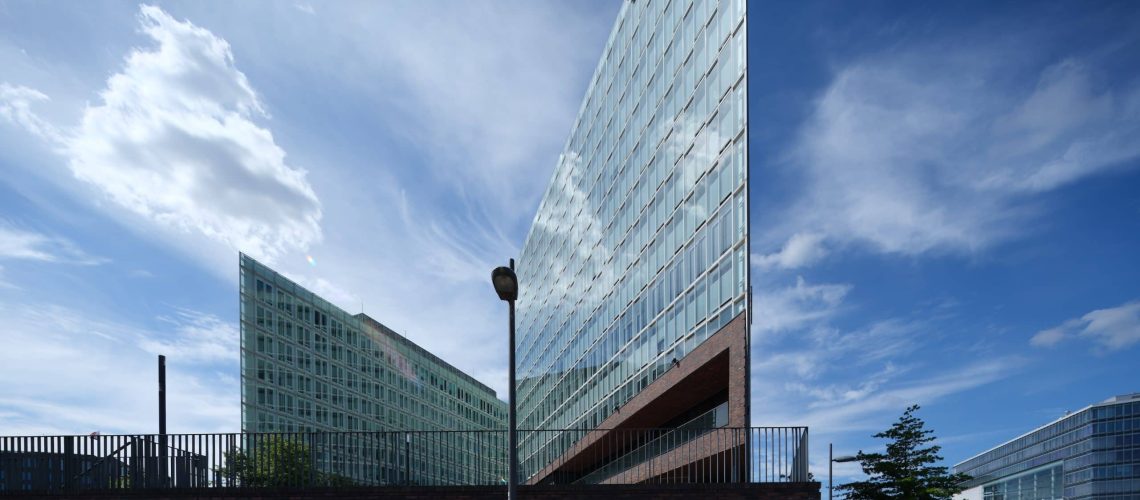
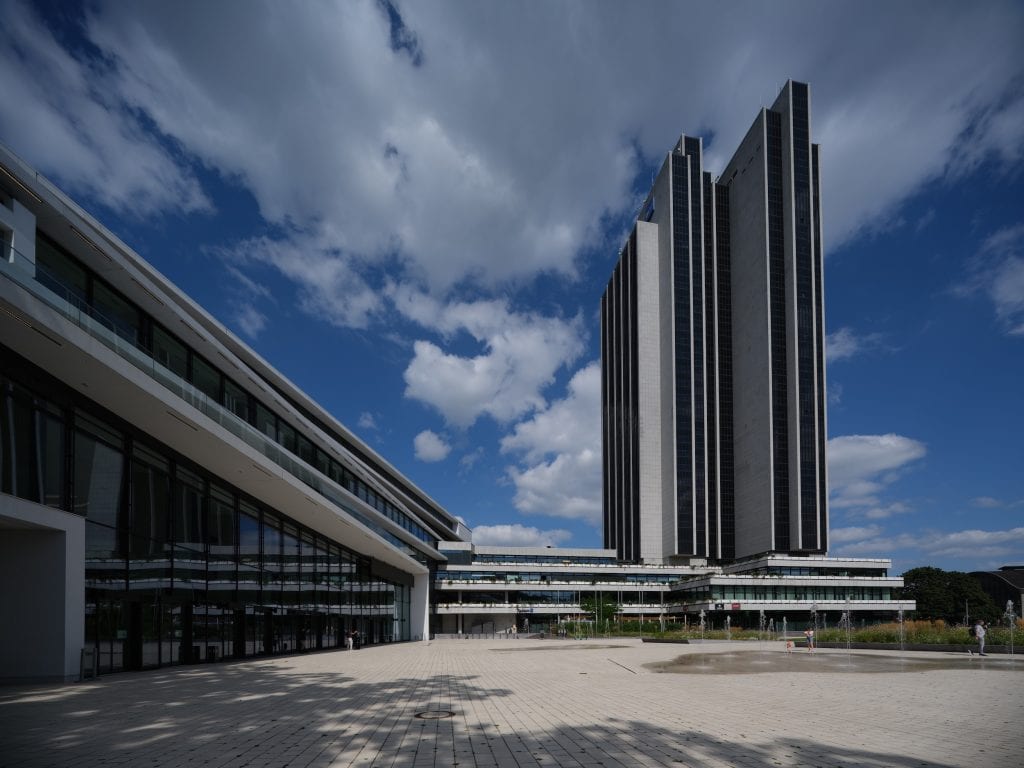
Recently, we conducted the Hamburg workshop in a new, smaller 3-day weekend format, and that proved to be a format that we want to do more often. This is a brief report of the workshop with some of the highlights and example photos/compositions of the buildings we photographed.
Hamburg – an architectural gem
When we think of cities to spend a long weekend photographing beautiful and inspiring architecture, Hamburg is rarely at the top of an architecture bucket list. It wasn’t on mine, for example. And I can say now: it deserves a much more prominent place on any bucket list.
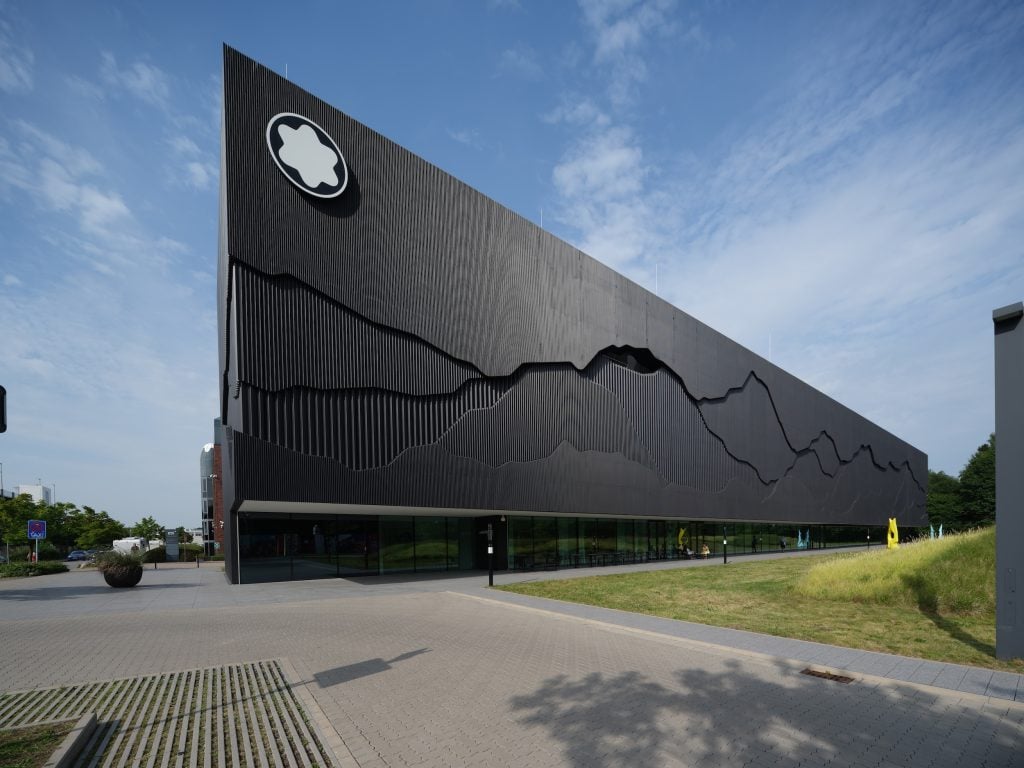
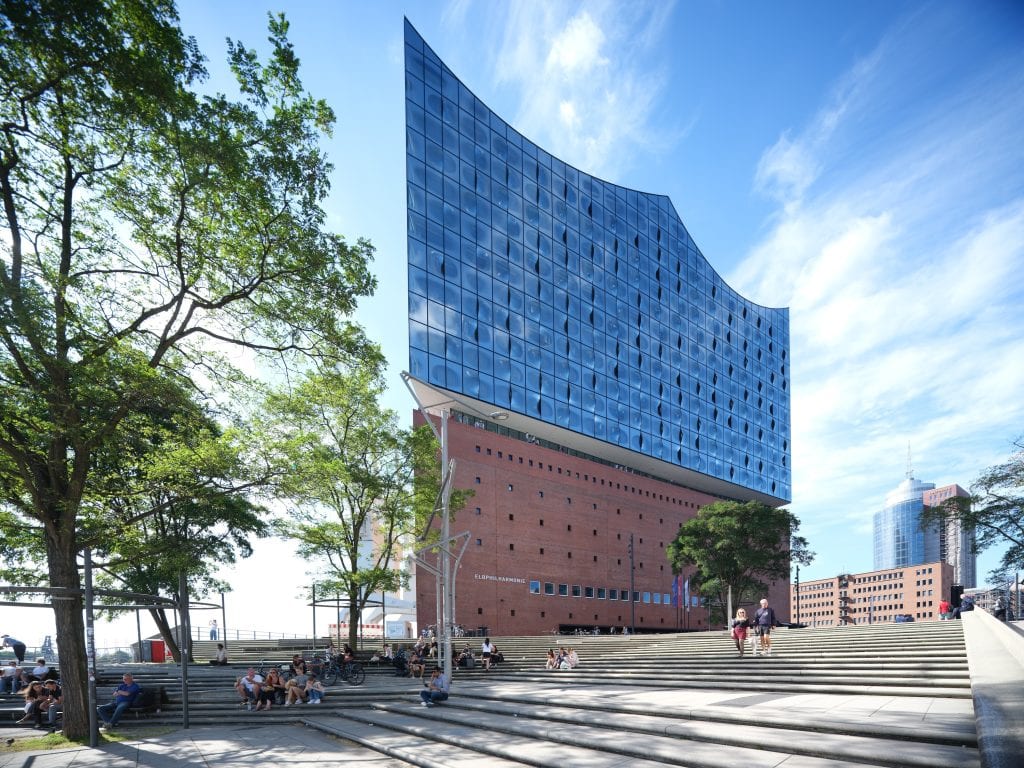
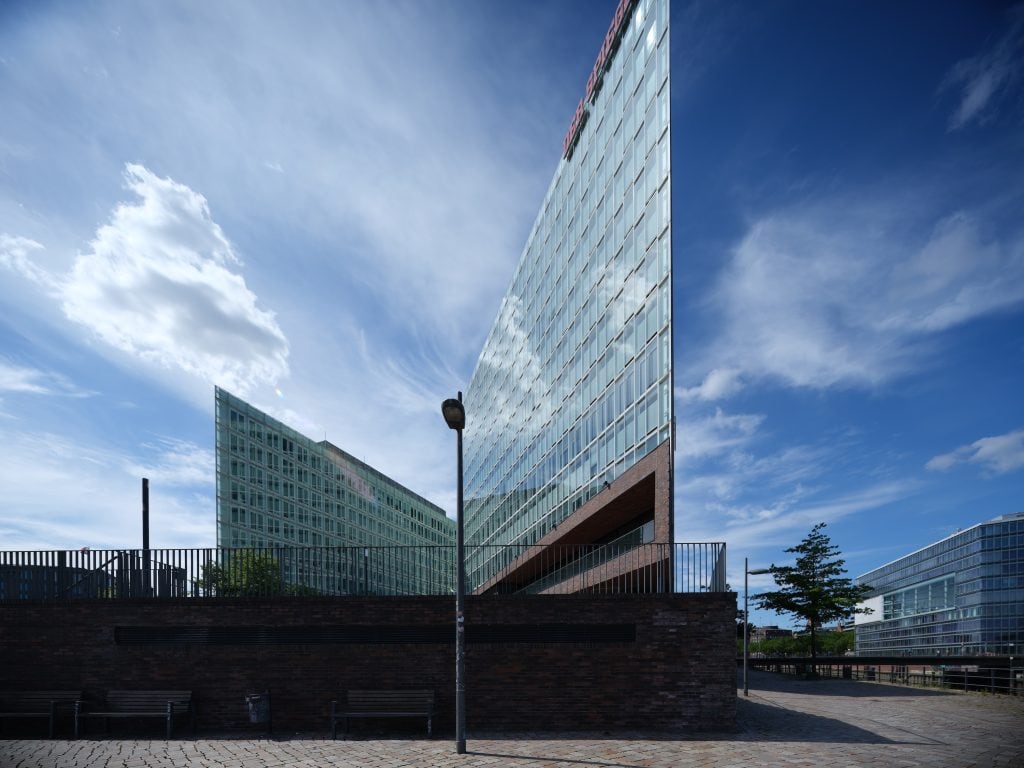
The architecture may not be the spectacular high-rise we know from cities like New York, Dubai, or Chicago. But what it lacks in height, it compensates for with its unique, characterful, inspiring, beautiful, and iconic designs. From the ‘Elphi’, to the Mont Blanc Haus, to the Spiegel buildings, to name just a few.
And let’s not forget the iconic and Instagrammable views on all the bridges and canals, which everyone who visits Hamburg shoots.
‘Spectacularly high’ is not the correct justification to photograph a building in the context of a fine art architecture workshop. The design and the symbolic potential it can have for you as a fine art photographer, and the challenge to celebrate the design, are more important reasons for selecting a building for a fine art architecture workshop. And that’s exactly what we aim for in our architecture workshops
Workshops for serious photographers, passionate about art
Since I decided to start doing architecture workshops again last year, after a hiatus of 10 years, I wanted to do that in a workshop format that was different from what I did before and unique in the market of architecture photography workshops.
Unique when it comes to content, unique in the approach of architecture and the type of architecture to photograph, and last but not least, unique in how to collaborate to get inspiration.
Competition in art leads to design, not to art. The only thing that results in art is a collaborative spirit of sharing and discussing ideas respectfully. That is the recurring thread and main focus in all our workshops.
It’s not the camera, but the photographer. Except when it is a tilt-shift lens.
Another recurring thread in all the architecture workshops I’ve done since starting last year is that everyone, almost without any exception, went home with one important desire: to purchase the widest possible tilt-shift lens that one could acquire.
So much for the idea that it is never about the camera but about the artist behind the camera. But no artist can create the effects of a tilt-shift lens when used in the right way.
I can assure you that I earn no commission for any tilt-shift lens that is sold. It is purely the result of skilfully demonstrating what can only be done with a wide-angle tilt-shift lens and not with any other wide-angle lens. No matter how wide that other lens is.
It is also the result of a very personal approach to architectural photography based on “The maximum point of perspective” concept, and then going beyond it. This is the part where the tilt-shift lens, when used by a skilful artist, amplifies the difference between a wide-angle tilt-shift lens and a normal wide-angle lens.
And it is the result of acknowledging and integrating what old image masters like 18th century Italian draftsman Giovanni Piranesi, 17th century Dutch painter Pieter Saenredam, or more recently, American architectural photographer Ezra Stoller, taught us about composition and (vertical) framing.
Razor blades and double razor blades
(no, this is not an ad for shaving)
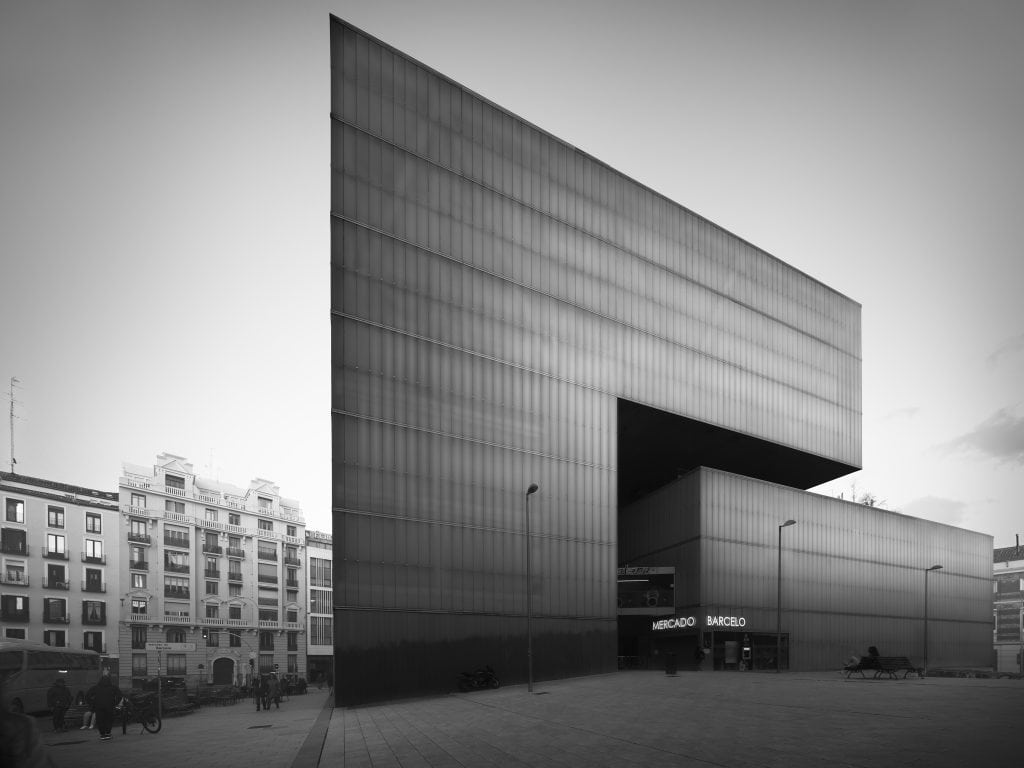
One of the composition techniques with the tilt-shift lens that has become very popular among all participants from this and previous workshops we taught, is what we coined the “Razor blade shot“.
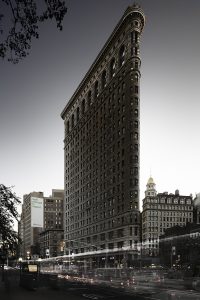
The ‘razor blade’ is a type of perspective, only possible with a wide-angle tilt-shift lens, photographing a building from up close and shifted to the maximum position, in such a way that the building is depicted as a razor blade slicing through the air. Very effective for buildings that are smaller at one end, such as the Flatiron building, but also possible with more regularly shaped buildings by forcing the perspective of a facade. The latter demonstrated in the photo of the Mercado Barcelo in Madrid.
The desire to purchase a wide-angle tilt-shift lens among those who didn’t have one yet, however, doesn’t imply that it affected the quality of the photos they took with the gear they had. Quite the opposite: without exception, the quality of the architectural photos taken by all the workshop participants, in all workshops up to now, was at a very high level.
As a judge of many international photography competitions over the past 10+ years, I can attest that the level of this group could easily match, or even exceed, the winners of those competitions I judged.
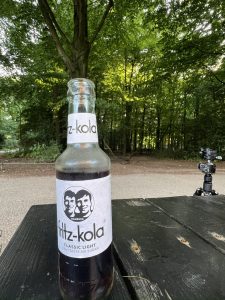
One other thing (not photography related) that I personally found fun and memorable: the famous and local Fritz Kola! Not kidding, it has become my favorite brand of cola (no sugar, extra caffeine, tasty and not too sweet – so good!).
A testimonial
Finally, a testimonial from one of the participants:
I had the opportunity to experience a fantastic workshop where the participants’ varying levels of expertise were taken into account, and each person received individual coaching tailored to their needs. The trainers were exceptionally knowledgeable, highly motivated, and friendly. Despite my initial concerns that I wouldn’t have enough experience or the right equipment, I learned a tremendous amount and now know how to achieve good results with the resources I have. I will definitely book another workshop. Thank you for the fantastic weekend!
- Kerstin P, Hamburg. (Translated from German to English using Google Translate)
Lead instructor: Joel Tjintjelaar / Assistant instructor: Tobi Trumpp
We have the final fine art architecture workshop for this year coming up in October in Rome and Milan. More days, more cities, more architecture, more new techniques, and another inspiring group. If you want to be part of it, we have some spots left. Sign up here.
And if you’re interested in our webinars, we have a new Fine Art Architecture webinar on November 9.
Finally, it needs to be clear that all my articles, and blogposts cannot be distributed or partly copied and then integrated in an article or post to conceal that it has been copied, without my prior consent. If you like what I wrote, and want to use my articles or parts of it, then just be fair and credit the original author.